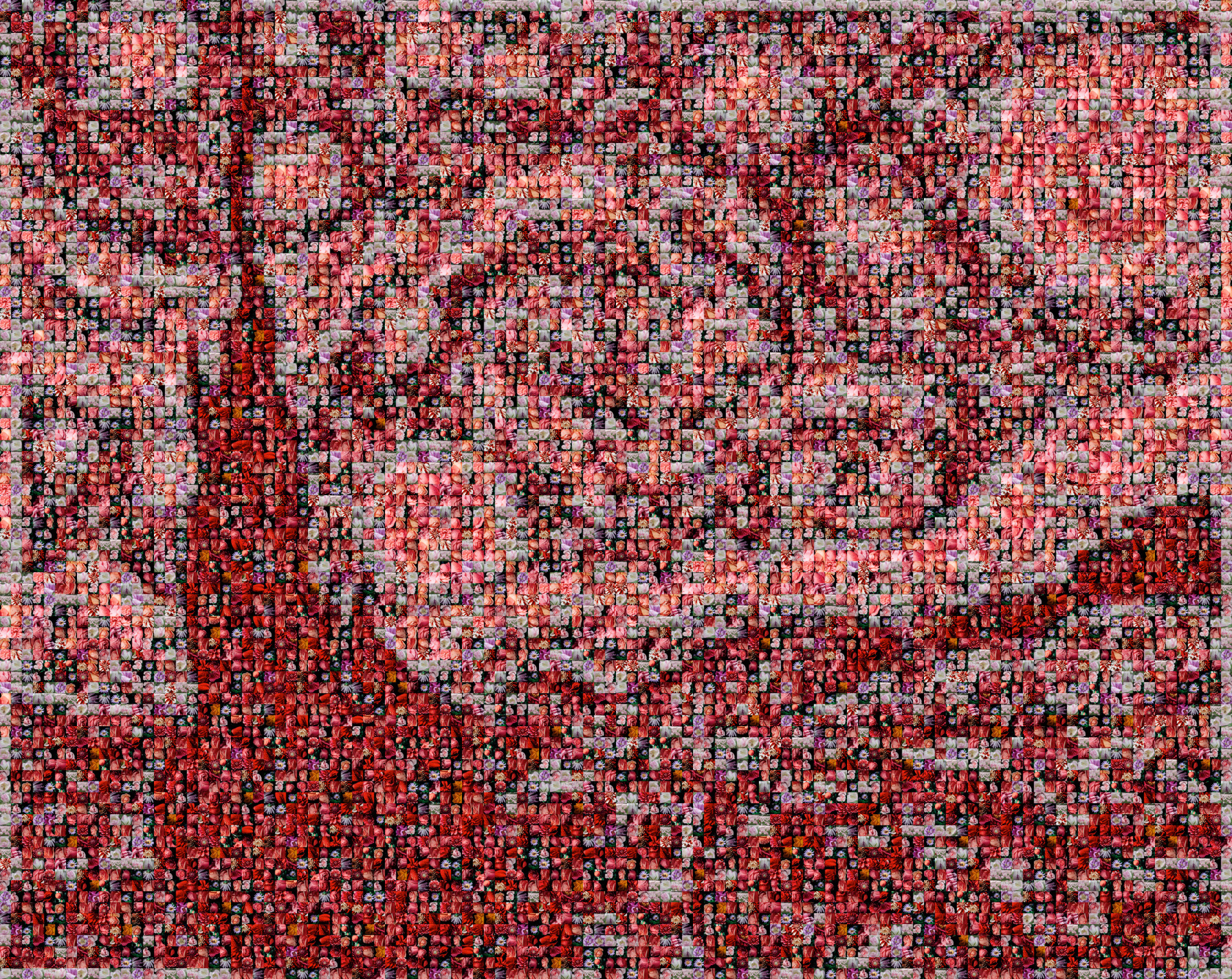

I am a visual archaeologist of the present, excavating the living human landscape to reconstruct the iconography of power. For over a decade, I have walked the streets not as a flâneur, but as a hunter of glances, capturing 6,000 to 8,000 human moments daily. These are not merely photographs; they are individual pixels of societal consciousness, fragments of the public soul.
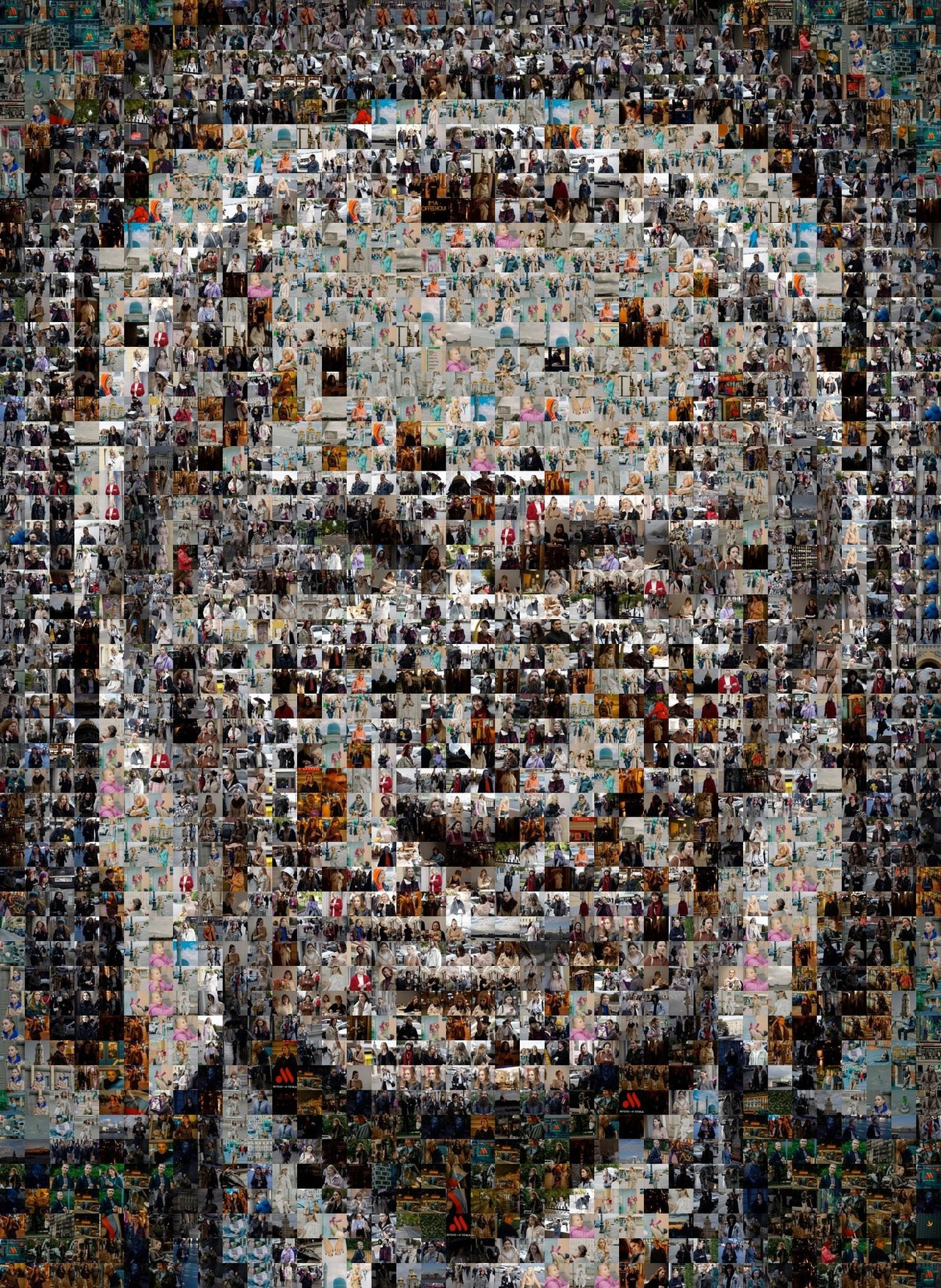
My series, epitomized by the mosaic of Vladimir Putin—a work born from four years of immersion in the heartbeat of Saint Petersburg—asks a fundamental question: Who truly constitutes a leader?
A president is not an isolated figure on a podium. A president is a mirror, a complex mosaic assembled from the hopes, struggles, apathy, and dreams of every citizen. The authority of a state is not imposed from above; it is reflected from below, in the countless faces that compose the nation’s body.
In this series, featuring figures like Putin, Obama, and Trump, I dismantle the monolithic perception of power. Using tens of thousands of my street portraits—each a sovereign individual with a unique story—I painstakingly reconstruct the official image. The closer you approach, the more the singular leader dissolves into the multitude. The unified gaze fragments into thousands of distinct human experiences: a weary smile, a questioning glance, a moment of joy, a shadow of concern. The “portrait of power” reveals itself to be a “portrait of the powerfuled.”
This is where my art resides: in the profound tension between the one and the many, the symbol and the reality, the representative and the represented. The mosaic becomes a philosophical instrument. It challenges the viewer: Do you see the leader, or do you see the people he leads? Where does the individual end and the collective persona begin?
My process is a ritual of accumulation and synthesis. The relentless daily documentation is an act of faith in the human narrative. The meticulous assembly is an act of alchemy, transforming ephemeral street encounters into a permanent, monumental dialogue about sovereignty, identity, and collective representation.
To own one of these works is not merely to acquire a portrait of a world figure. It is to possess a galaxy of human moments, a geological stratum of a society at a specific point in history. It is to hold a paradox in visual form: a testament to the individual faces that are both the source and the substance of power itself. The leader’s image is merely the vessel; the true content is the people.
This series is an invitation to look closer, to question the nature of representation, and to remember that every icon is built, pixel by pixel, from the raw material of us all.